Unraveling the Mystery: Why The Dead of Winter Found Its Snow in Finland and Germany
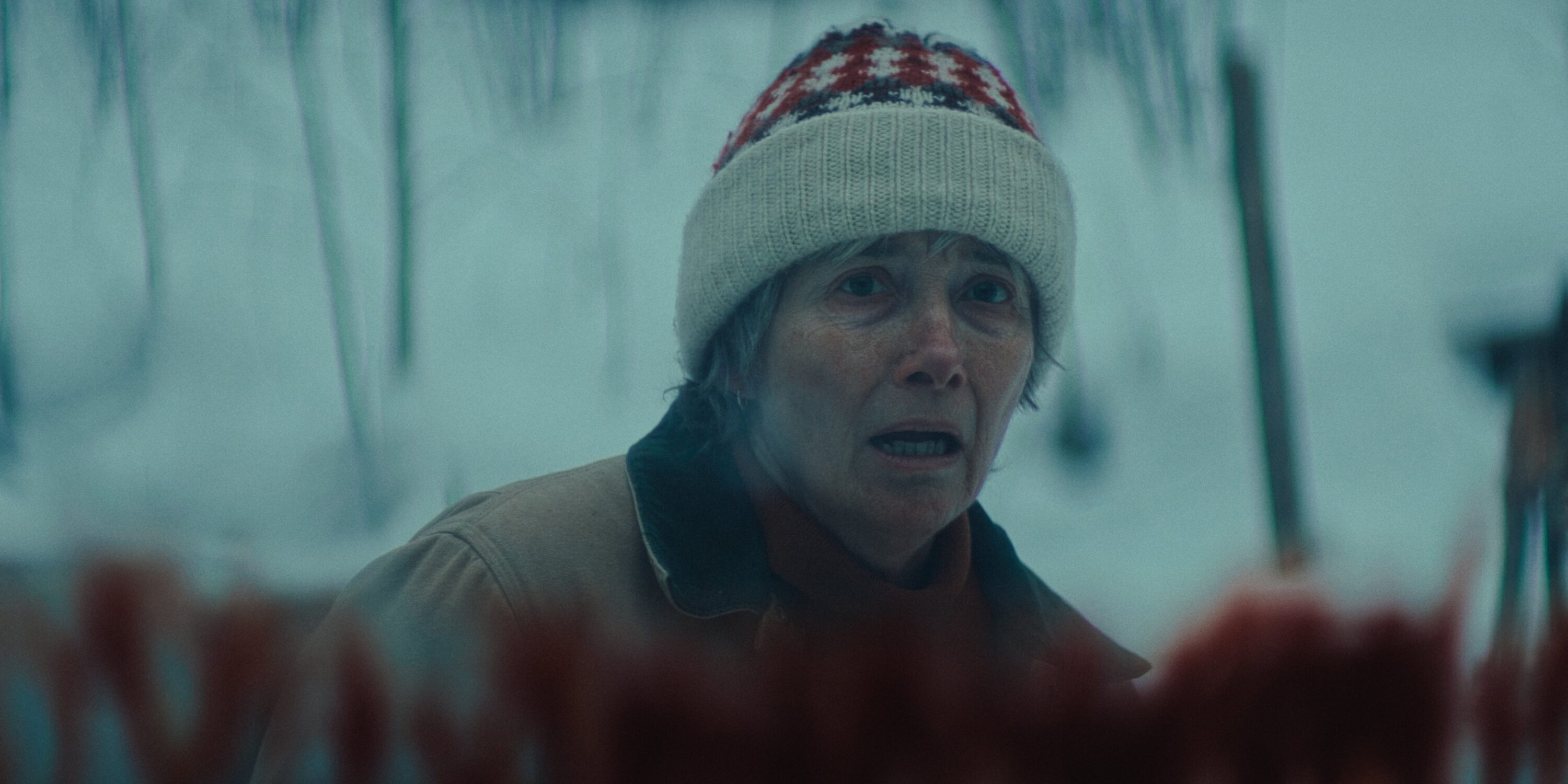
The highly anticipated action-thriller, The Dead of Winter (2025), has gripped audiences and critics alike since its premiere at the Locarno Film Festival. Set against the harsh, snow-laden backdrop of northern Minnesota, the film promises an intense tale of survival and courage. Starring the incomparable Emma Thompson, alongside Judy Greer, Marc Menchaca, Laurel Marsden, and Brían F. O’Byrne, and directed by Brian Kirk (known for 21 Bridges), this movie dives deep into a remote, unforgiving landscape. Yet, for all its Minnesota authenticity on screen, the production journey for Dead Of Winter Filming Locations actually led filmmakers thousands of miles across the Atlantic to the serene, snow-covered expanses of Finland and the sophisticated studios of Germany.
The film’s premise is simple yet compelling: a widowed fisherwoman (Emma Thompson) unexpectedly stumbles upon a teenage girl’s kidnapping in the isolated Minnesota wilderness. With no phone signal and help hours away, she becomes the girl’s sole hope. This harrowing narrative demands an utterly convincing winter setting, a challenge the production team met by making strategic, albeit surprising, choices for its principal photography. This article will explore why these European nations were chosen over the film’s supposed North American home, offering a fascinating glimpse into the logistics and creative decisions behind modern filmmaking.
The Cinematic Paradox: Setting Snowy Minnesota in Northern Europe
Despite the story unfolding amidst the fictional snows of Minnesota, the real-world pursuit of perfect winter conditions for The Dead of Winter led the production to two primary European regions: Koli, North Karelia, Finland, and North Rhine-Westphalia, Germany, with significant work in Cologne and Bonn. These locations were meticulously selected to encapsulate the isolated, snow-drenched atmosphere central to the film’s narrative.
Koli, North Karelia, Finland: Minnesota's Winter Wonderland Double
The breathtaking exterior scenes, crucial for establishing the film’s desolate tone, were predominantly captured in Koli, a picturesque region in eastern Finland. Koli's natural splendor, characterized by its thick spruce forests, dramatic snow-capped hilltops, and panoramic views over Lake Pielinen, provided an ideal stand-in for rural Minnesota. Filming commenced here on February 26, 2024, a period chosen specifically for Finland's reliable and abundant snowfall. The involvement of skilled Finnish crews was instrumental in bringing these challenging winter scenes to life, earning praise from none other than Emma Thompson herself, who commended Koli's stunning, authentic scenery as "just right for the story." The area's consistent natural snow cover ensured the film's visual realism, imbuing every shot with a palpable sense of cold and isolation. Koli isn't new to the big screen; its rugged terrain also featured prominently in the Finnish war epic The Unknown Soldier (2017), showcasing its versatility for dramatic storytelling.
North Rhine-Westphalia, Germany: Crafting the Chill Indoors
While Koli delivered the authentic outdoor chill, the majority of the controlled and interior scenes for The Dead of Winter were meticulously filmed in North Rhine-Westphalia, Germany. Specifically, MMC Studios in Cologne served as the technological hub for much of the production. These state-of-the-art studios offered the perfect controlled environment needed for shooting the film’s most intense sequences, including critical snowstorm scenes that would be incredibly difficult, if not impossible, to manage consistently in an uncontrolled outdoor setting. The ability to manipulate elements like lighting, wind, and artificial snow within a studio setting allowed director Brian Kirk and his team to achieve precise artistic and technical control, vital for a suspenseful action-thriller. Additional filming also took place in Bonn, further leveraging Germany's robust film infrastructure.
Beyond the Snowfall: Why Finland Became Minnesota's Double
The decision to shoot a film set in Minnesota in distant European countries wasn't arbitrary; it was a calculated move driven by a combination of practical, logistical, and financial considerations. While Minnesota was indeed scouted, director Brian Kirk ultimately opted for Finland and Germany for several compelling reasons, offering a valuable lesson in global film production strategies.
The Allure of Consistent Snowfall
Perhaps the most critical factor was Finland's reputation for consistent and reliable snowfall. In an era where climate change can make natural winter conditions unpredictable, ensuring a steady supply of snow throughout a demanding production schedule is paramount. While Minnesota certainly experiences harsh winters, the specific timing and depth of snow can fluctuate dramatically. Finland, particularly its eastern regions like Koli, offers a much higher guarantee of sustained, cinematic-quality snow cover during the winter months. This reliability minimizes costly delays, reshoots, and the need for artificial snow, which can often look less convincing than the real thing.
Robust Film Infrastructure and Co-production Benefits
Both Finland and Germany boast mature and highly efficient film industries. Finland offers competitive production incentives and skilled local crews, whose expertise in navigating extreme winter conditions is invaluable. Similarly, Germany, with its world-class studios like MMC in Cologne, provides advanced facilities, experienced technicians, and a strong network of support services. Opting for these locations allowed the production to tap into attractive co-production benefits and financial incentives, which can significantly offset the costs of international filming. These benefits often include tax rebates, grants, and access to state-of-the-art equipment, making the overall production financially viable and logistically smoother.
Subtle Cultural Parallels
An intriguing, albeit less tangible, factor mentioned in the decision-making process was the historical and cultural connection. The fact that Finns and Germans historically settled in regions like Minnesota meant there might be subtle, inherent similarities in the architecture, landscapes, or even the "feel" of certain areas that could lend authenticity to the setting. While not a primary driver, this underlying connection could have contributed to the overall ease of transforming European landscapes into their American counterparts on screen.
Practical Insights: The Art of Strategic Location Scouting
The production choices for The Dead of Winter offer invaluable lessons for aspiring filmmakers and audiences alike. For filmmakers, this project underscores the importance of a flexible and strategic approach to location scouting. It's not always about finding the exact geographical match, but rather the most suitable environment that can deliver the aesthetic, logistical, and financial requirements of the script. Factors like weather reliability, local crew expertise, infrastructure, and financial incentives often outweigh geographical proximity.
For viewers, knowing these details adds another layer of appreciation to the cinematic experience. When you watch Emma Thompson brave the elements in The Dead of Winter, you're not just seeing a compelling performance; you're also witnessing the incredible skill of a production team that transformed Finnish forests and German soundstages into the heart of a Minnesota thriller. It highlights the collaborative, international nature of modern filmmaking and the dedication required to create truly immersive worlds.
To dive deeper into the specific coordinates and visual splendor captured during this ambitious production, you might want to Explore The Dead of Winter's Filming Locations: Finland & Germany for a more detailed look.
Conclusion: A Winter's Tale Forged Across Continents
The Dead of Winter stands as a testament to the globalized nature of modern filmmaking, where creative vision and practical realities often lead productions far from their story's home. By choosing Finland for its pristine, reliable snowscapes and Germany for its advanced studio capabilities, director Brian Kirk and his team successfully brought the desolate, snowy Minnesota wilderness to life with stunning authenticity. This strategic decision not only ensured the film's visual integrity but also leveraged international talent and infrastructure, proving that the most convincing cinematic worlds are sometimes forged across continents. As the film prepares for its U.S. theatrical release on September 26, 2025, audiences can now watch with a newfound appreciation for the extraordinary journey taken to capture its chilling essence.